Ledian Memushaj Is Doing Something No Famous Albanian Footballer Ever Does
The standard career path for a retired Albanian footballer with name recognition looks roughly like this. Finish playing. Take a coaching badge. Immediately get offered a head coach position at a Kategoria Superiore club, or a technical role with the national team setup, on the basis of reputation and connections. Accept the offer. Struggle. Get replaced within two seasons. Cycle through punditry for a while. Repeat.
Ledian Memushaj is doing the opposite, and almost nobody is paying attention.
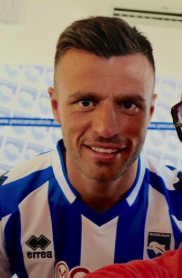
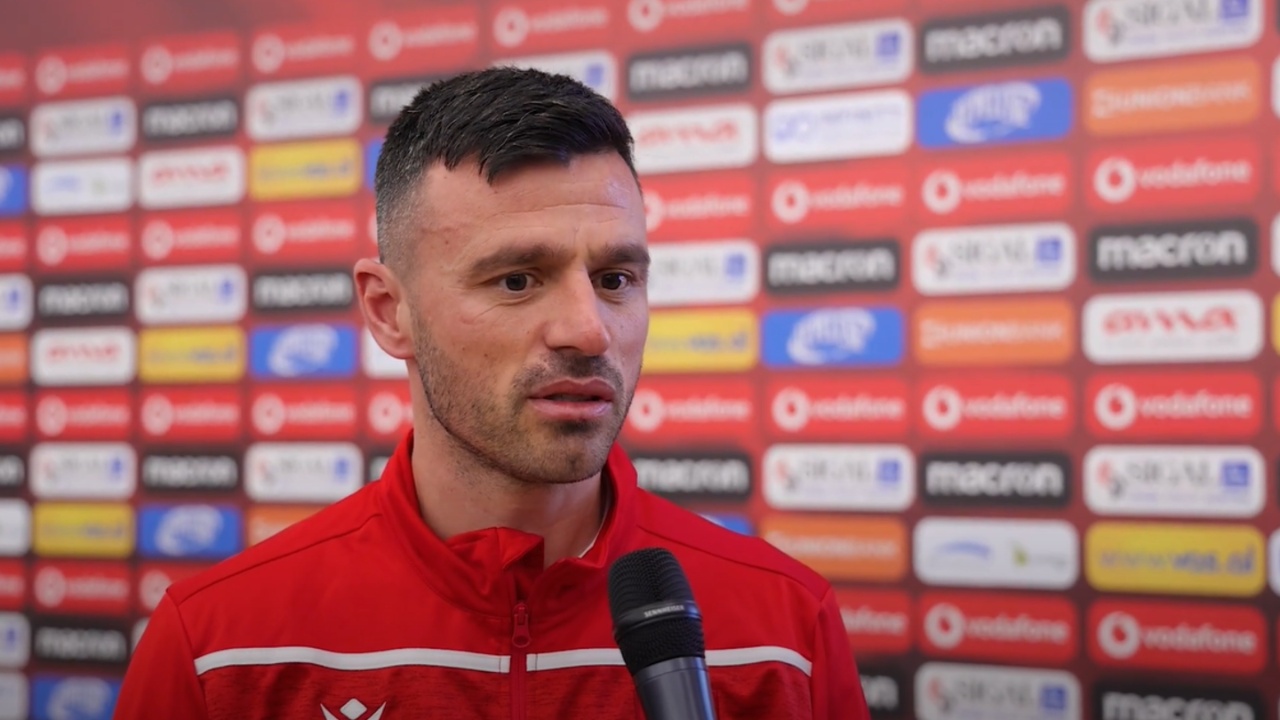
The former Albania international midfielder, who spent the bulk of his playing career in Italian football between Chievo, Carpi, Pescara, and Benevento, retired in 2022. His first coaching job was Pescara’s Under-19 squad — a developmental role with minimal media profile, minimal pressure, and maximum actual coaching work. He held it for one season. His second role was assistant coach at Dinamo City under Luigi di Biagio, which lasted two months before that coaching staff was dismissed. His current job is head coach of AC Leon, a club in Serie D — the fourth tier of Italian football.
Serie D is not glamorous. The salaries are modest. The coverage is nonexistent outside local Italian media. The crowds are small and the infrastructure is basic. It is also, genuinely, where most serious Italian coaches learn their craft. Antonio Conte started in Serie D. Gian Piero Gasperini started below it. The pattern of successful Italian managers who worked their way up through the lower divisions is so consistent that it functions as an unofficial development pathway — one that elite coaches explicitly talk about when they reflect on their careers.
Memushaj has placed himself on that same pathway. That is a significant editorial fact, and it deserves more scrutiny than Albanian football media has given it.
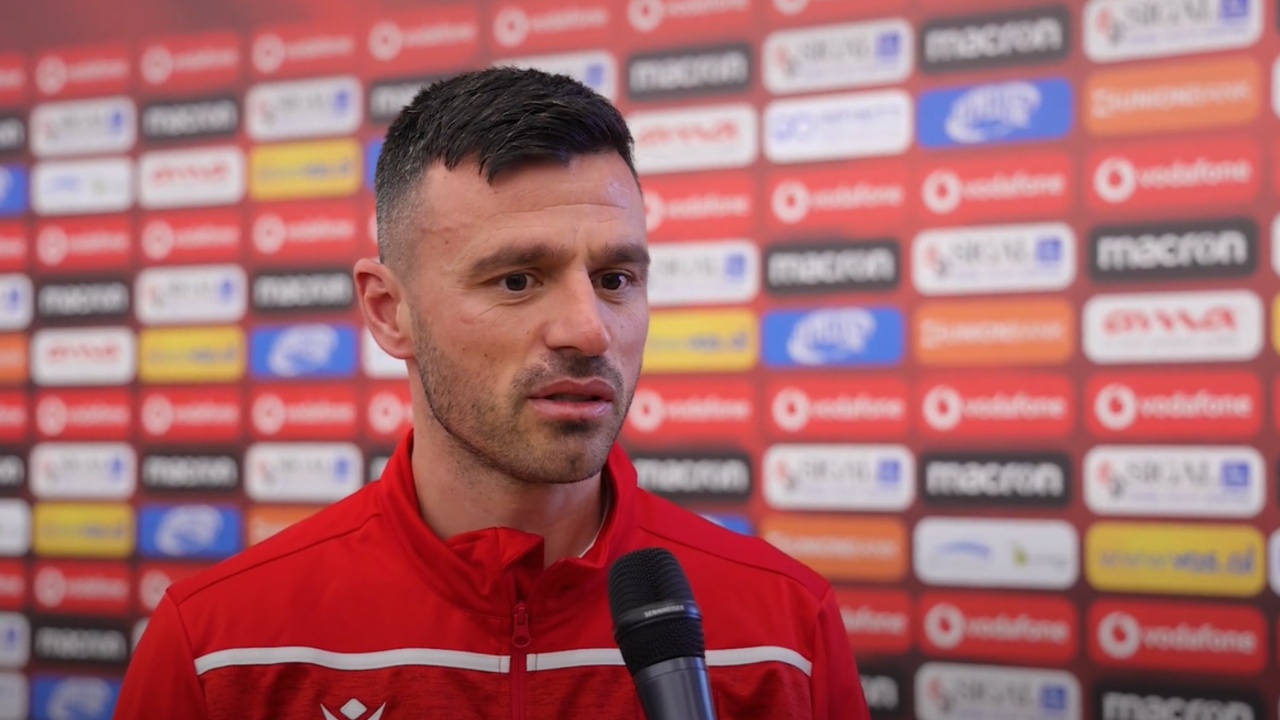
The contrast with how Albanian football typically handles its former players is instructive. Over the past decade, Albanian clubs and the national federation have repeatedly appointed recently retired players to senior coaching positions based on reputation rather than demonstrated ability. Some of these appointments have worked out. Most have not. The reason they fail is structural: coaching at a senior level requires tactical knowledge, man-management skills, and specific experience managing a locker room through pressure that you can only develop by actually doing the job at lower levels first.
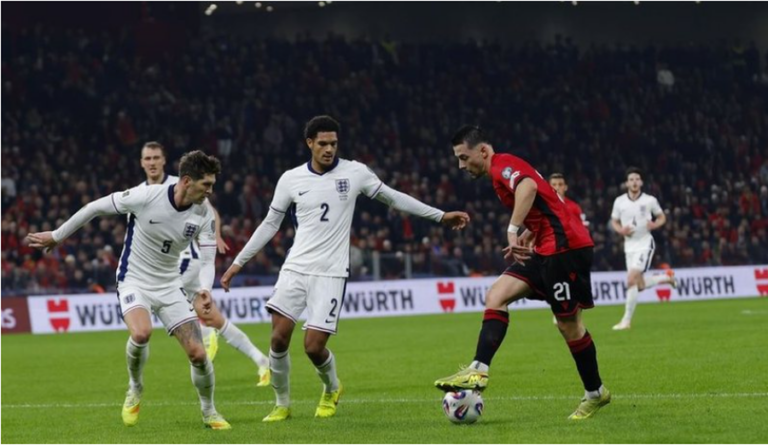
Memushaj played over 500 professional matches across his career, including a Serie A spell with Benevento in 2017-18. He captained Pescara. He represented Albania during the De Biasi era, including a period in the Euro 2016 squad build-up. The CV was more than sufficient to secure a high-profile coaching position in Albania if that was what he wanted.
He chose Serie D instead. That choice tells you something specific about how he sees his own development as a coach.
The work at AC Leon is not visible from outside Italian provincial football. What Memushaj is doing there — setting a team’s tactical identity week to week, managing player relationships without the buffer of assistant staff, handling the financial realities of a lower-division club — is the exact set of skills that separate genuine coaches from former players who happen to have a badge. The players who fail in senior coaching roles almost always fail at these specific tasks, not at the tactical chalkboard.
There is a version of Memushaj’s career trajectory, five or six years from now, where this current stretch in Serie D becomes the foundational credential for something more significant. Italian clubs consistently promote coaches from Serie D and Serie C into Serie B jobs. From Serie B, the pathway into Serie A is established and well-documented. A former Serie A player who speaks Italian fluently, who has built actual coaching credentials in the lower divisions, and who carries dual Albanian-Italian context into the profession has a specific profile that Italian clubs find attractive when they recruit at that level.
None of this is guaranteed. Most Serie D coaches do not make it to Serie A. The attrition at every level is brutal, and Memushaj is building a coaching career in his late thirties, which is later than the typical Italian managerial ascent allows. But the point is not that success is inevitable. The point is that he is giving himself a genuine chance by refusing to take the shortcut that almost every other famous Albanian player has taken.
Albanian football would be better served if more of its retired players followed this example. The habit of rewarding reputation with immediate senior appointments has produced exactly the outcome anyone with coaching experience would predict — a shallow talent pool of Albanian managers working at senior level, most of whom are not qualified for the roles they hold. The country does not have a structural problem producing players. It has a structural problem producing coaches.
Memushaj, quietly and without fanfare, is addressing that problem for himself. The next step is whether anyone else notices, and whether any of the current generation of high-profile retired players are willing to make the same uncomfortable choice.
The answer, based on how Albanian football has handled these transitions historically, is probably not.